
Personal Development Retreats Through PA Community Clubs

Singapore’s People’s Association (PA) network runs something special. They’re not just community centers — they’re places where people actually transform their lives. Over the past decade, PA community clubs have become hubs for structured personal development retreats that combine goal-setting workshops, wellness activities, and genuine peer support.
What makes these retreats different? They’re accessible. They’re affordable. And they’re embedded in neighborhoods across Singapore — from Ang Mo Kio to Yishun, Clementi to Bedok. You don’t need to travel to some exclusive resort or pay thousands of dollars. You walk into a community club near your home and find a structured program designed to help you clarify what you want and build real momentum toward it.
What You’ll Find at PA Community Club Retreats
PA retreats typically run for 2-3 days, either as weekend programs or week-long intensive sessions during school holidays. They’re designed for adults aged 18-65, though some clubs offer youth-focused versions.
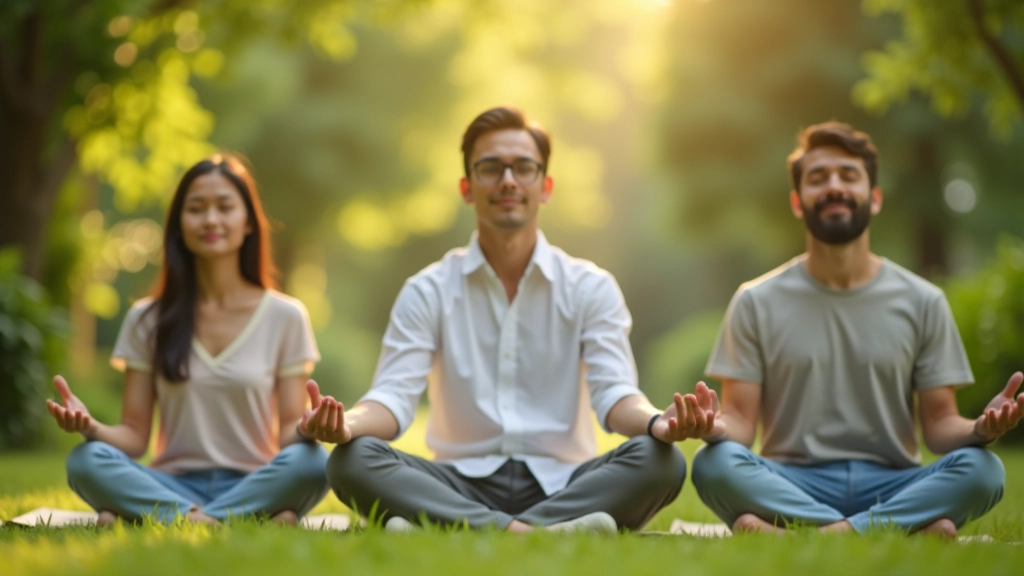
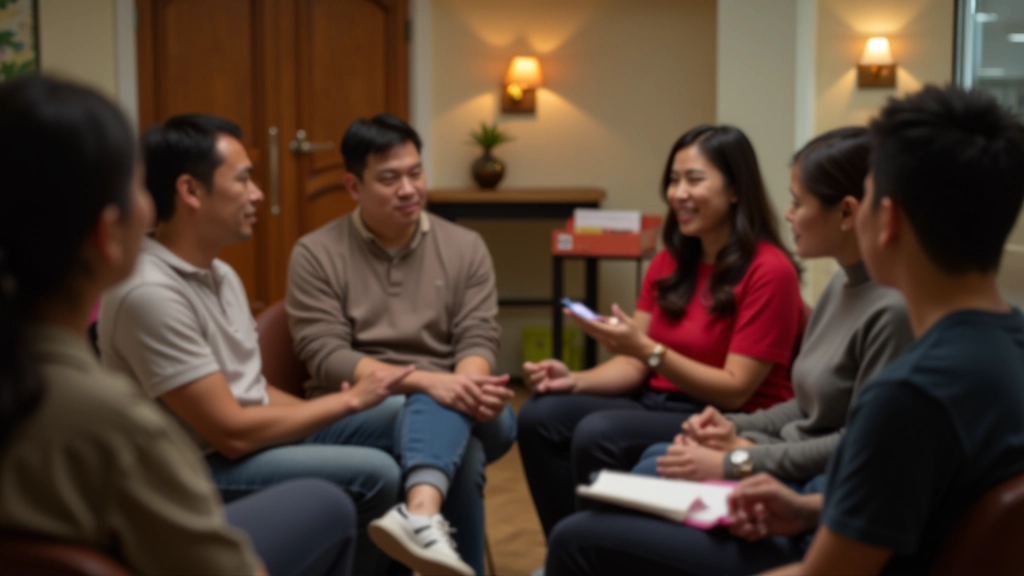
Here’s what’s actually included. Goal-setting workshops where you’ll learn SMART frameworks and work through what matters to you — not vague inspirational stuff, but concrete exercises that force you to get specific. Mindfulness and wellness sessions because clarity isn’t just mental, it’s physical. Breakout discussions where you meet other people working on similar things. That peer element is surprisingly powerful. You’re not alone in wanting to change careers or improve your relationships or finally start that side project.
Real schedule example: Day 1 morning covers goal assessment and personal values mapping. Afternoon includes physical wellness (yoga or tai chi, depending on the club). Day 2 focuses on accountability structures and how to maintain momentum after you leave. Evenings have informal networking.
Most clubs run these quarterly, so there’s usually a program starting within the next month or two. Some popular formats include “Life Direction” retreats (perfect if you’re unsure what you’re aiming for) and “Goal Acceleration” programs (better if you know your goal but need help with execution).


How to Find and Register for a Retreat
Finding a retreat near you is straightforward. Head to the PA website or visit your neighborhood community club directly. Most clubs have notice boards listing upcoming programs, or you can ask staff for their current schedule. Registration’s usually simple — fill in a form, pay the fee (typically between SGD 50-150 for a weekend program), and you’re in.
Some practical tips. First, pick a format that matches where you are. If you’re at a crossroads career-wise, the “Life Direction” retreat makes sense. If you’ve got a clear goal but keep losing momentum, look for accountability-focused programs. Second, prepare something. Bring a notebook. Jot down 3-5 things you’re genuinely curious about changing. Don’t overthink it. Third, budget time after the retreat. The work doesn’t end on Sunday evening. Most retreats include a 30-day follow-up structure with check-ins, so plan for that.
Pro tip: Many clubs offer “taster sessions” — 2-hour introductions to their programs. If you’re unsure whether a retreat is right for you, attend a taster first. It costs nothing and shows you exactly what to expect.
Maximizing Your Retreat Experience
You’ll get the most from a retreat if you show up with intention, not just hope something magical happens. Here’s the approach that works.
Arrive with clarity, not answers
Know what you want to explore. “I want to figure out my next career move” is perfect. “I want to be successful” is too vague.
Engage in breakout sessions
The peer discussions are often more valuable than the formal workshops. That’s where real advice comes from — people who’ve actually done the thing you’re trying to do.
Create your 90-day plan before leaving
Don’t wait until Monday. Work with a facilitator to map out specific actions for the next three months. That’s your accountability structure.
Connect with at least two other participants
Exchange contact info. Set up monthly check-ins. These become your accountability partners. It’s the difference between going back to old habits and actually maintaining momentum.

Important Note
Personal development retreats are educational and informational resources designed to help you explore your goals and values. They’re not therapy or medical treatment. If you’re dealing with significant mental health challenges, anxiety, or depression, please consult a qualified healthcare professional. PA facilitators are trained in personal development and goal-setting, not clinical mental health support. The retreats work best when combined with professional guidance if needed.
Start Your Personal Development Journey
PA community club retreats exist for one reason — to help ordinary people clarify what matters to them and build real momentum toward it. They’re not exclusive. They’re not expensive. They’re genuinely accessible.
The hardest part isn’t finding a retreat. It’s showing up with genuine intent to change something. If you’re ready for that, your local PA club probably has a program starting soon. Check their website, visit in person, or call and ask about upcoming goal-setting retreats. You don’t need to have everything figured out. You just need to be willing to explore.
Ready to explore your goals with structured support?
Get in touch to learn about retreats near youRelated Articles